As we navigate this TFE journey, we are also navigating the process of theological reflection—learning not just from what we do, but from how we interpret and integrate those experiences spiritually and intellectually. Below are some frameworks to guide and structure this reflection.
FRAMEWORK ONE
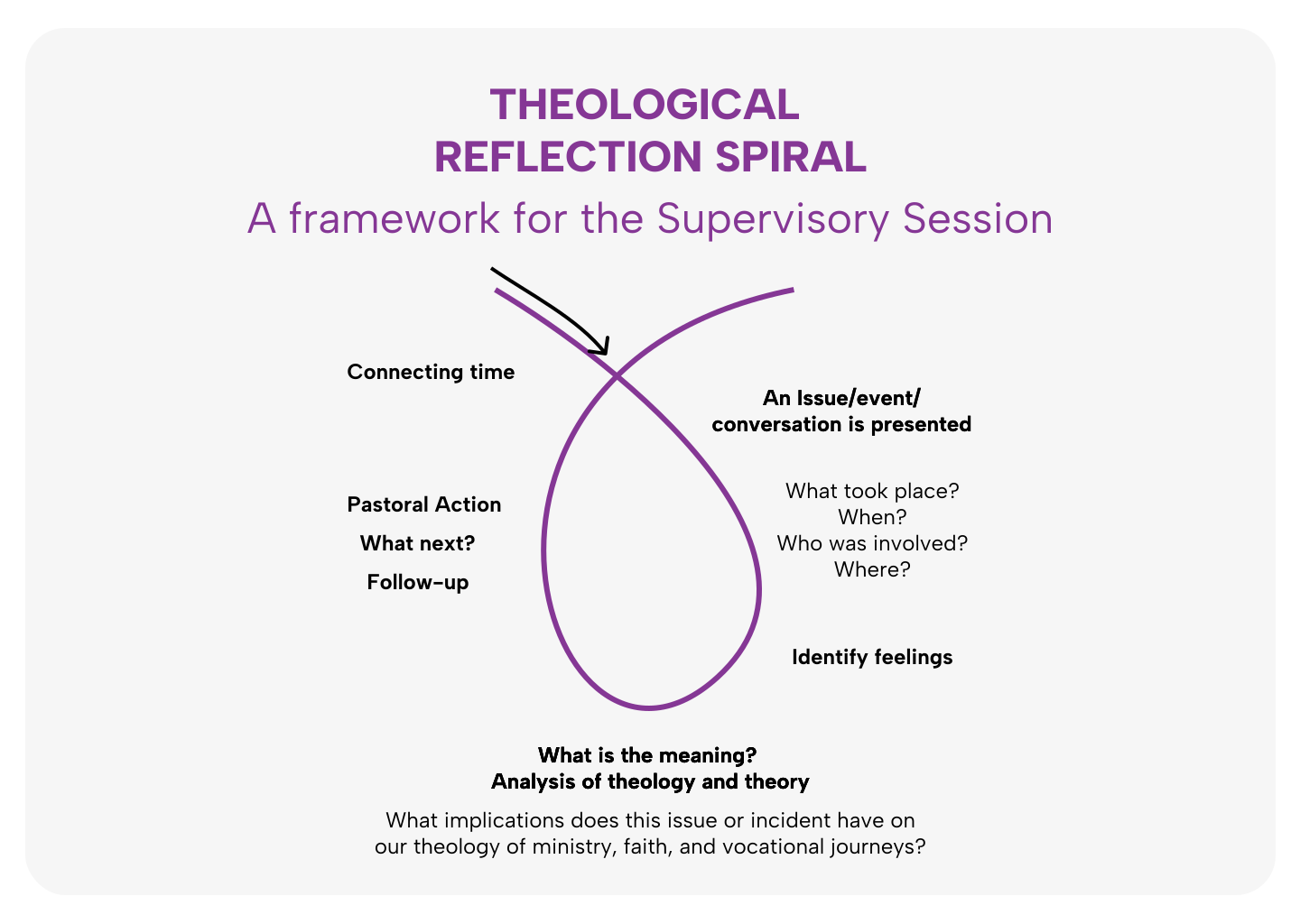
The Theological Reflection Spiral
The Theological Reflection Spiral is a structured approach to examining our experiences in ministry or field education. By moving through the stages of experience, analysis, theological reflection, and application in a continuous, cyclical process, we deepen our understanding and integrate learning into practice.
Let’s learn more about it.
- Prepare: Identify and name your assumptions. This might include considering:
-
- Who are you in relation to your faith community?
- How do they perceive you?
- How do you locate yourself socially, economically, culturally?
- What questions do you carry into this experience?
- Why are they important to you?
- Experience
-
- Assume the role of a participant or observer.
- What do you observe?
- What feelings, questions and concerns do you have?
- Describe
-
- Record briefly what you saw, what you think was happening and why.
- Note what you already knew prior to the experience, i.e. your assumptions.
- What cultural, social, economic norms are operative in this experience?
- Analyze
-
- Describe what you really think was going on and why.
- Put the biblical images, themes, stories that have come to you into the conversation.
- What new insights emerge?
- What affirmation or challenge emerges from the biblical themes, stories or images?
- Reconsider
-
- Repenser or ‘think again’ – revisit your knowledge, assumptions, expressions of Christian faith and practice in the light of the previous steps.
- Identify the areas in which you are feeling challenged, confirmed, strengthened, disturbed by the process so far.
- Name any change that you think may be required of you and/or of others.
- How could such a change occur?
- Practice
Review the previous steps. Can you name any shift in your perception, faith perspective, ministry, mission or vision of the church? In turn, these identified shifts may provide new starting points for theological reflection on another experience. The spiral invokes an image of continuous theological reflection, change and learning.
FRAMEWORK TWO
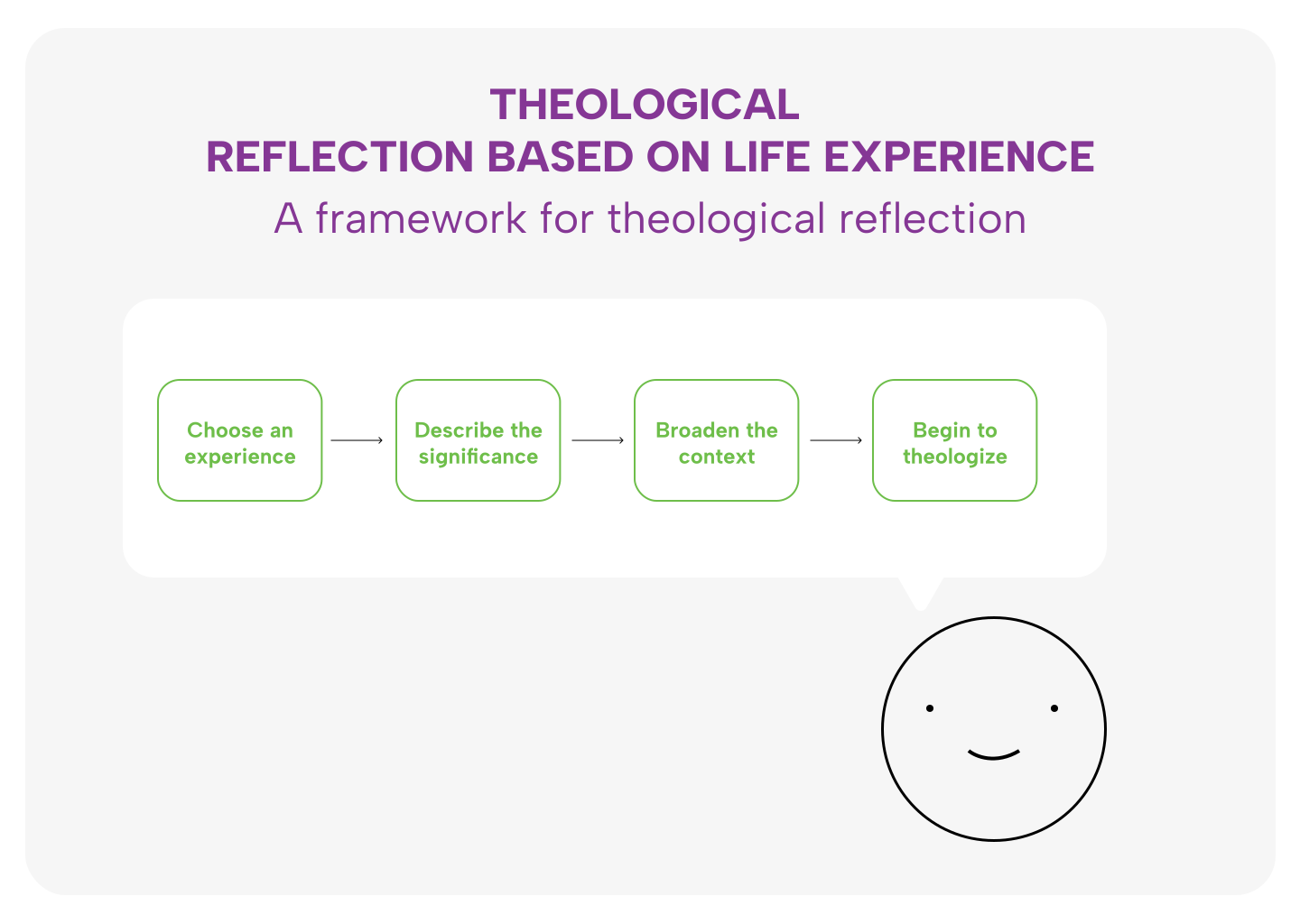
Theological Reflection Based on Life Experience
This reflection seeks to explore how personal life experiences shape and inform one’s understanding of God, faith, and spiritual practice. By examining significant events, relationships, and challenges, we can discern patterns of meaning, moments of insight, and the ways in which the Divine has been encountered in our TFE experiences.
Let’s see how it works!
- Choose an experience.
One from your life that has meaning and significance for you.
- Describe the significance of the experience.
Use the following questions as a guide. You do not need to answer all the questions. They will guide you through the process of your reflection.
-
- What makes this experience significant?
- What questions came to mind as you engaged in this experience?
- What feelings did you experience?
- What did you fear?
- What was the resultant effect of this experience on you?
- Is there an image or word that describes this time for you?
- Broaden your consideration of the experience.
-
- Have any authors, preachers, friends or colleagues referred to a similar experience?
- How have they responded?
- What does my culture say about this kind of experience?
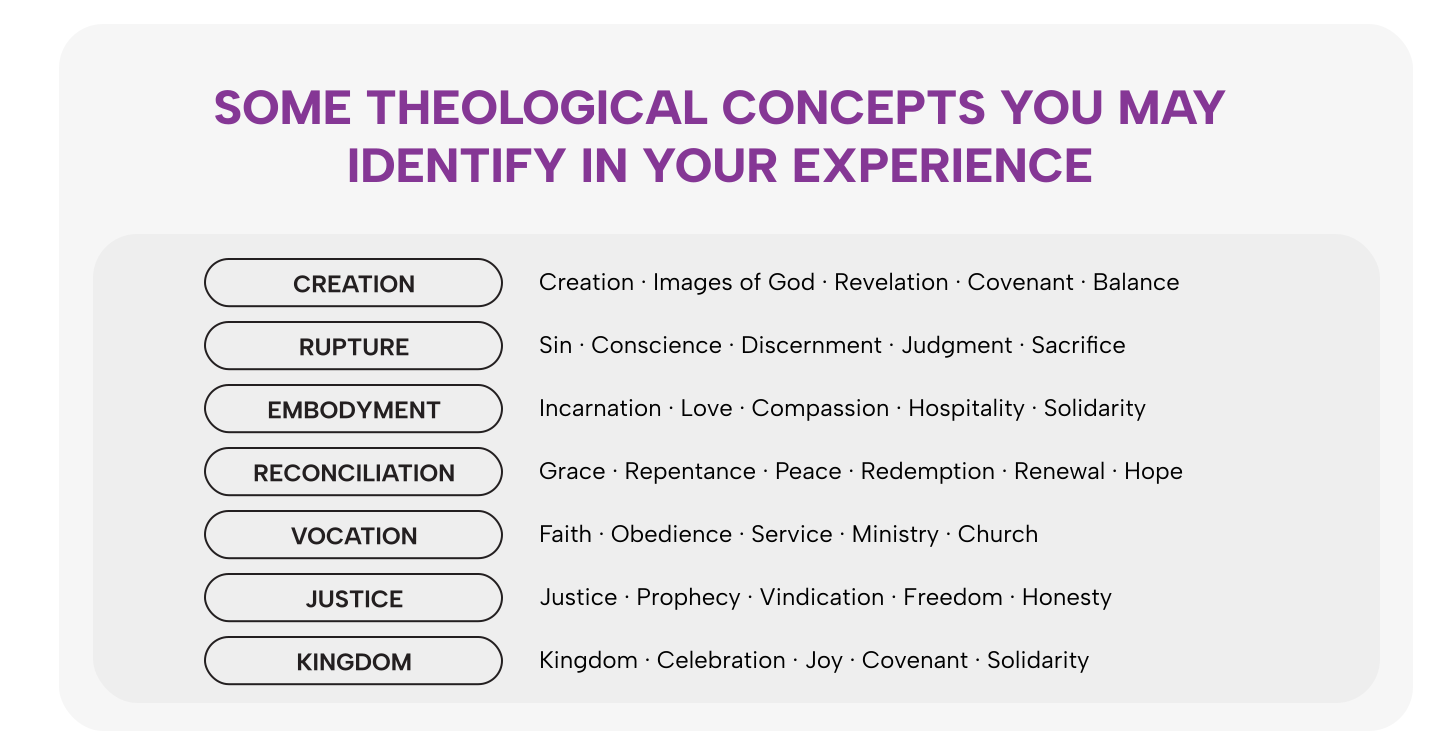
- Begin to theologize.
-
- Are there biblical motifs in this experience?
- Where is God in this experience?
- What biblical text, story or image comes to mind?
- What does my religious tradition (theologians, authors, denomination, etc.) say about this experience?
- What are the implications for ministry?
- How does this experience affect my view of God or of what it means to be a believer?
FRAMEWORK THREE
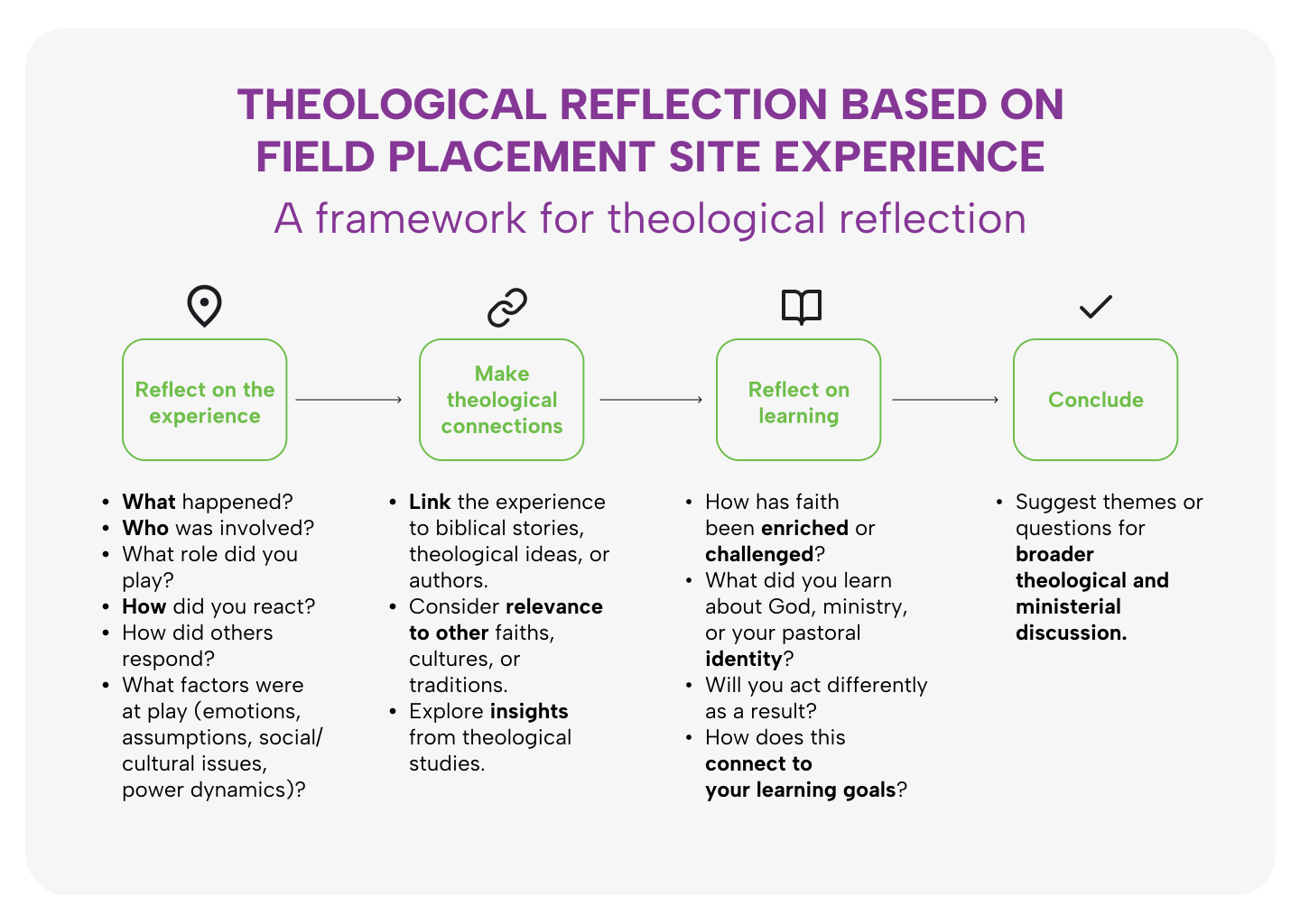
Theological Reflection Based on Field Placement Site Experience
This reflection method explores how experiences at the field placement site shape our understanding of God, ministry, and spiritual care. By engaging with the community, observing practices, and participating in daily activities, we are invited to connect theological concepts with real-life situations, fostering discernment and insight into how faith is embodied in context.
- Name the experience.
Consider recent conversations, events or incidents in which you have played a significant role.
Choose only one which challenged you or left you with lingering questions or concerns. This may have been either a positive or negative experience.
- Reflect on the experience.
Prepare a straightforward narrative using the following questions to guide you.
-
- What happened?
- Who was involved?
- What role did you play?
- How did you react?
- How did others respond?
- Where did this experience leave you?
- Analyze the experience.
-
- What factors were at work in the situation? Name the emotions, assumptions, attitudes, social and cultural issues, power dynamics, etc.
- What was at stake for you? How did your interaction reflect your personal history, experience, convictions, values, faith, etc.?
- How did this experience challenge your assumptions, perceptions, values or beliefs?
- What did you learn about yourself?
- What insights have you gained from this experience?
- What questions or concerns remain with you?
- Make some theological connections.
Probe more deeply into the experience for insight using these questions:
-
- What biblical stories, images or symbols come to mind?
- What theological ideas, concepts or authors come to mind?
- What insights gained from your theological studies are particularly relevant?
- How does this experience or situation relate to other faiths, cultures or traditions as you understand them?
- Reflect on your learning.
Identify some of the insights that emerge as you reflect on this experience using these questions:
-
- How has your faith been enriched or challenged by this experience?
- What did you learn about God?
- What did you learn about the practice of ministry?
- What did you learn about your pastoral identity?
- Will you do anything differently as a result of this experience?
- How does your reflection on this experience relate to your learning goals?
- Conclude your theological reflection.
Suggest themes or questions that invite a broader discussion of the theology and the practice of ministry.
Check more related resources
Educational Philosophy
LEARN MOREProgram Requirements
LEARN MORETFE Program: Goals, Organization, Descriptions
LEARN MORE